
Car Wash Mistakes That Ruin Your Paint Over Time
Most vehicle owners wash their cars with good intentions. You want a clean vehicle, so you grab supplies and get to work. But somewhere between loading the bucket and drying off the hood, small habits quietly damage the finish you're trying to protect.
The frustrating part? Many of these car wash mistakes seem harmless. Some are even taught as the "right" way to wash a car. Yet they introduce swirl marks, surface marring, and a dull appearance that gets worse with every wash. Once you understand which habits cause problems, you can adjust your routine and stop the cycle of unintentional damage.
This guide catalogs the most common washing errors and explains what happens when you make them. More importantly, it shows you how to audit your own routine and make corrections that protect your paint's appearance over time.
At Mountainside Mobile Detailing, we work with Denver Metro Area vehicle owners who care about maintaining their vehicles. Understanding proper wash technique is the foundation of long-term paint care.
Automatic Brush Washes and Paint Damage
Drive-through car washes with rotating brushes seem convenient. Pull in, pay, drive out clean. But those spinning brushes create significant problems for your paint.
The brushes in automatic washes contact hundreds of vehicles each day. They drag road grime, sand particles, and debris from every car before yours. When those loaded bristles hit your paint, they essentially scrub contamination across the surface under pressure. Each trip deposits micro-defects that accumulate over time.
Darker vehicles show the damage more quickly. After a few months of regular brush washes, you might notice your paint looks hazy under bright light. That haze consists of countless tiny marks left by the brushes.
Better alternatives exist.
- Touchless automatic washes use high-pressure water without physical contact
- Hand washing at home with proper supplies gives you control over what touches your paint
- Professional exterior detailing uses techniques designed to protect the surface
The Single-Bucket Trap
Many people wash their vehicles with one bucket of soapy water. It seems simple enough, and it's how most of us learned to wash cars growing up. The problem emerges when you think about what's happening in that bucket.
Your first pass across the paint picks up dirt, dust, and particles. You dip the mitt back into the bucket. Now that contamination swirls around in your wash water. Your next pass brings that dirt right back to the paint. By the time you finish, you've been washing your vehicle with progressively dirtier water.
This is one of the most common car wash mistakes that damages finishes without the owner realizing it. The solution involves separating your clean water from your rinse water.
Use two containers when washing. One holds fresh soap solution. The second is for rinsing your mitt after each section. Before dipping into clean soap, rinse the mitt thoroughly in plain water. This simple change keeps contamination from recycling back onto your paint.
Dirty or Worn Wash Mitts
Even with proper technique, a dirty wash mitt defeats your efforts. Mitts trap particles in their fibers. Over time, these particles embed themselves into the material. Using a contaminated mitt is like washing your car with fine sandpaper, regardless of your technique.
Some warning signs indicate a mitt needs replacing.
- Fibers feel matted or flat instead of soft and plush
- The mitt doesn't hold water the way it used to
- You see visible debris caught in the fibers
- The material has hardened from product buildup
Quality microfiber mitts have deep fibers that pull contamination away from paint and hold it safely. But even good mitts have a lifespan. Replace them regularly, and never use a mitt that's been dropped on the ground until it's been thoroughly cleaned.
Wiping Your Car Dry Without Lubrication
You've finished washing, and dust settles on your car before you can dry it. The temptation is to grab a towel and wipe it off quickly. This habit introduces surface marring faster than almost any other practice.
Dry dust contains abrasive particles. When you wipe without lubrication, you grind those particles directly into the clear coat. Even light pollen or road film becomes damaging when dragged across paint without moisture.
Always use a spray lubricant or quick detailer when removing dust between washes. The liquid allows particles to lift away rather than dragging across the surface. If you cannot lubricate properly, sometimes waiting until you can wash correctly is the better choice.
Poor Towel Selection and Technique
Drying towels matter more than most people realize. Thin, rough, or old towels create friction against your paint. That friction leaves behind swirl marks and fine marring that becomes visible over time.
High-quality microfiber towels with dense, plush fibers soak up water on contact without requiring a wiping motion. They lift moisture off the surface without pressure. Low-grade towels, terrycloth, or worn materials lack this ability and force you to drag the fabric to absorb water.
Technique matters as much as material. Instead of wiping across panels, try patting or blotting. Let the towel sit on the surface and absorb water through gentle contact. This reduces friction and protects your finish.
Watch for contamination on drying towels too. A towel dropped on the garage floor picks up particles that transfer directly to your paint. Keep drying towels separate from other cleaning cloths and replace them when they show wear.
Washing Under Direct Sun
Washing your car in bright sunlight seems ideal. You can see the entire surface clearly. But direct sun creates problems during the wash process itself.
Water evaporates quickly on hot surfaces. Soap dries before you can rinse it. Minerals in the water deposit on the paint as droplets disappear. These water spots become harder to remove the longer they sit, and severe spotting can etch into clear coat.
Water spots are not the only issue. Washing on hot paint also changes how your mitt contacts the surface. Lubricating soap solution evaporates faster, leaving less protection between your mitt and the paint. This increases friction and the likelihood of surface marring.
Wash in the shade or during cooler parts of the day. Early morning or evening works well. If you must wash when conditions are warm, work in small sections and rinse frequently to prevent products from drying on the surface.
Using Household Cleaners
Dish soap, all-purpose cleaners, and bathroom products are not designed for automotive paint. Vehicle owners sometimes reach for these thinking stronger cleaners mean better results. The opposite is true.
Ceramic coatings and wax layers provide protection that these harsh cleaners strip away. Dish soap is formulated to cut grease aggressively. That same action removes protective products from your paint. All-purpose cleaners may contain chemicals that react poorly with clear coat.
Stick to products designed for automotive surfaces. Car wash soaps balance cleaning ability with surface safety. They lubricate the wash mitt, lift contamination gently, and rinse clean without leaving residue or stripping protection.
If you use a glass cleaner on windows, prevent overspray from reaching paint surfaces. Many glass cleaners contain ammonia or other chemicals that can affect coatings and finishes.
Skipping Pre-Rinse Steps
Going straight to scrubbing without rinsing first traps debris under your mitt. Loose dirt, sand, and particles sitting on the paint get dragged around during your first pass. This creates immediate surface marring before you've even started cleaning.
A thorough pre-rinse removes loose contamination. Pressure from a hose or pressure washer (kept at safe distance) knocks particles free. This gives your mitt a cleaner surface to contact and reduces the risk of grinding debris into your paint.
For heavily soiled vehicles, consider a pre-wash foam or spray. These products loosen contamination before contact washing begins. The contamination rinses away, leaving less work for your mitt to do.
Sands of Time
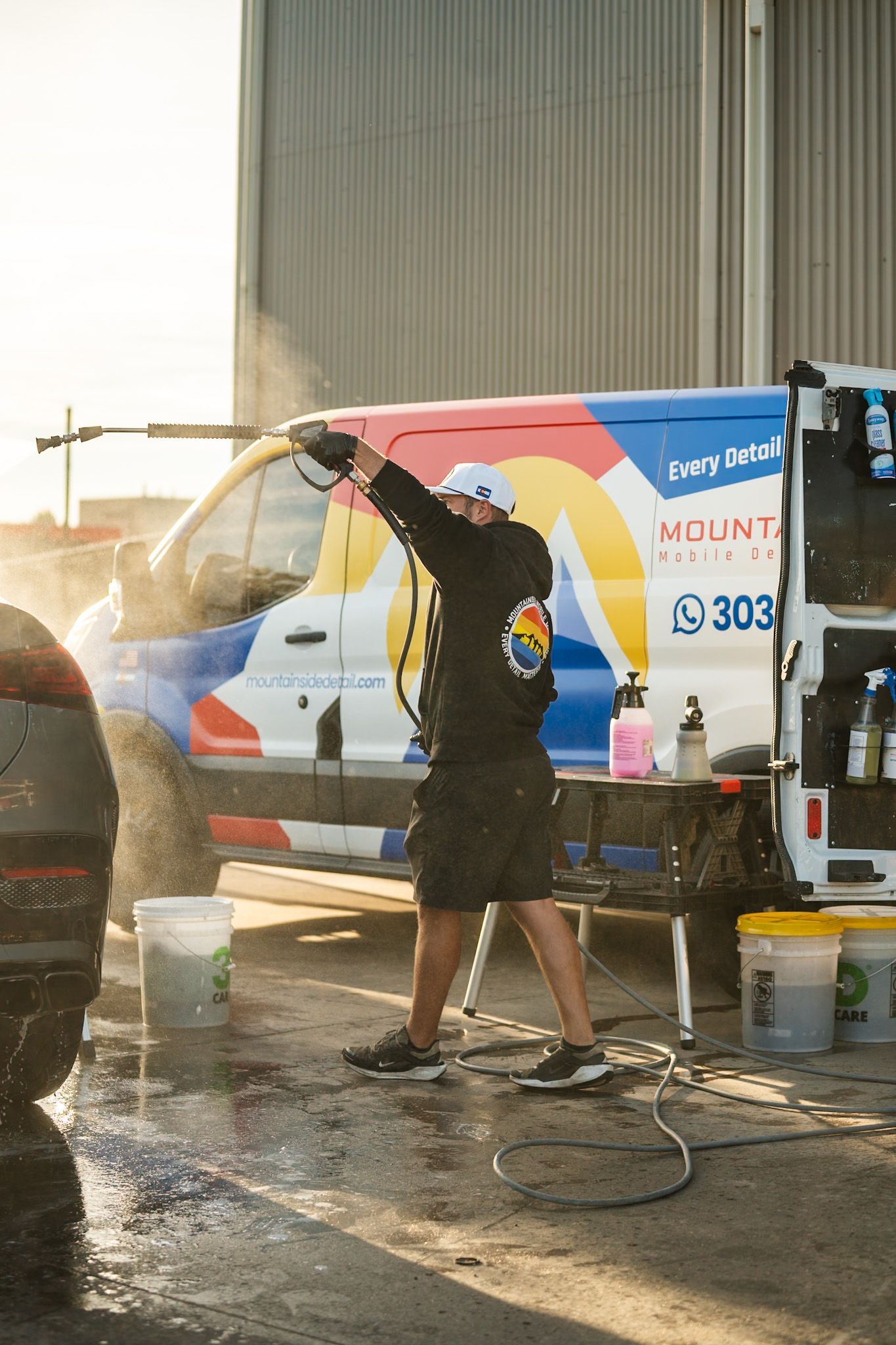
Building a Better Wash Routine
Understanding car wash mistakes allows you to audit your current habits. Small adjustments compound over time into significant differences in paint appearance.
Start by evaluating your supplies. Quality mitts, plush drying towels, and appropriate car wash soap provide the foundation. Separate your wash water from rinse water. Pre-rinse before contact washing. Work in shade when possible. Replace worn materials promptly.
For vehicles with existing swirl marks and surface damage, paint correction removes the defects that have accumulated. Starting fresh with corrected paint gives your new habits a clean baseline. Adding protection like ceramic coating provides a sacrificial layer that takes contact during washing instead of your clear coat.
Maintenance detailing helps keep vehicles in condition between home washes. Professional care combined with proper home technique preserves appearance year after year.
If you have questions about your vehicle's condition or want help developing better care habits, contact us to discuss your situation.
Frequently Asked Questions
Why does my black car show marks that my white car never shows?
Darker paint colors reveal surface defects more readily because of how light reflects off the surface. White and light colors scatter light in ways that hide fine marks. Black and dark blue concentrate light reflection, making every tiny imperfection visible. The marks exist on lighter vehicles too. They simply go unnoticed because contrast is lower. Both benefit equally from proper wash technique.
Are foam cannons worth using at home?
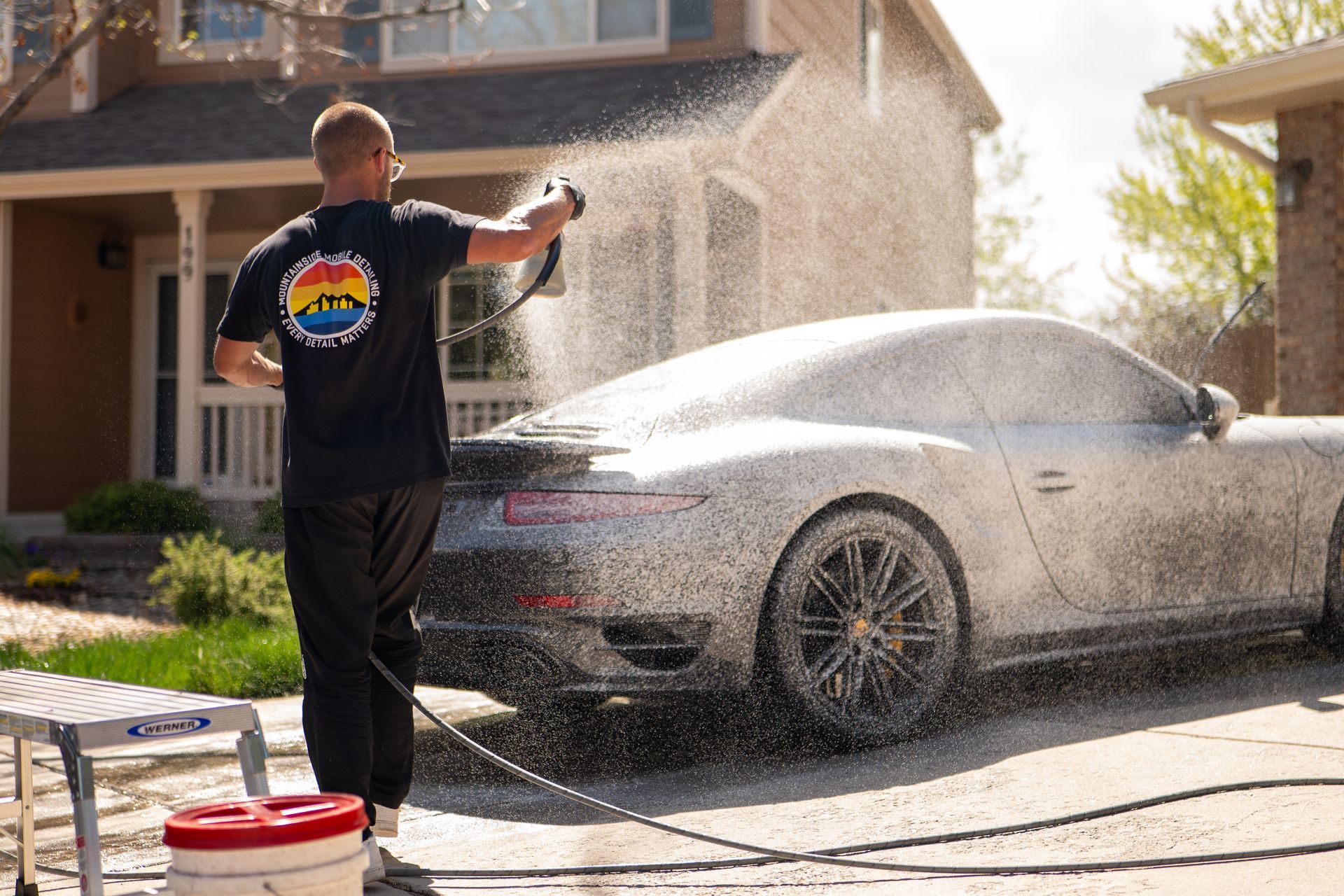
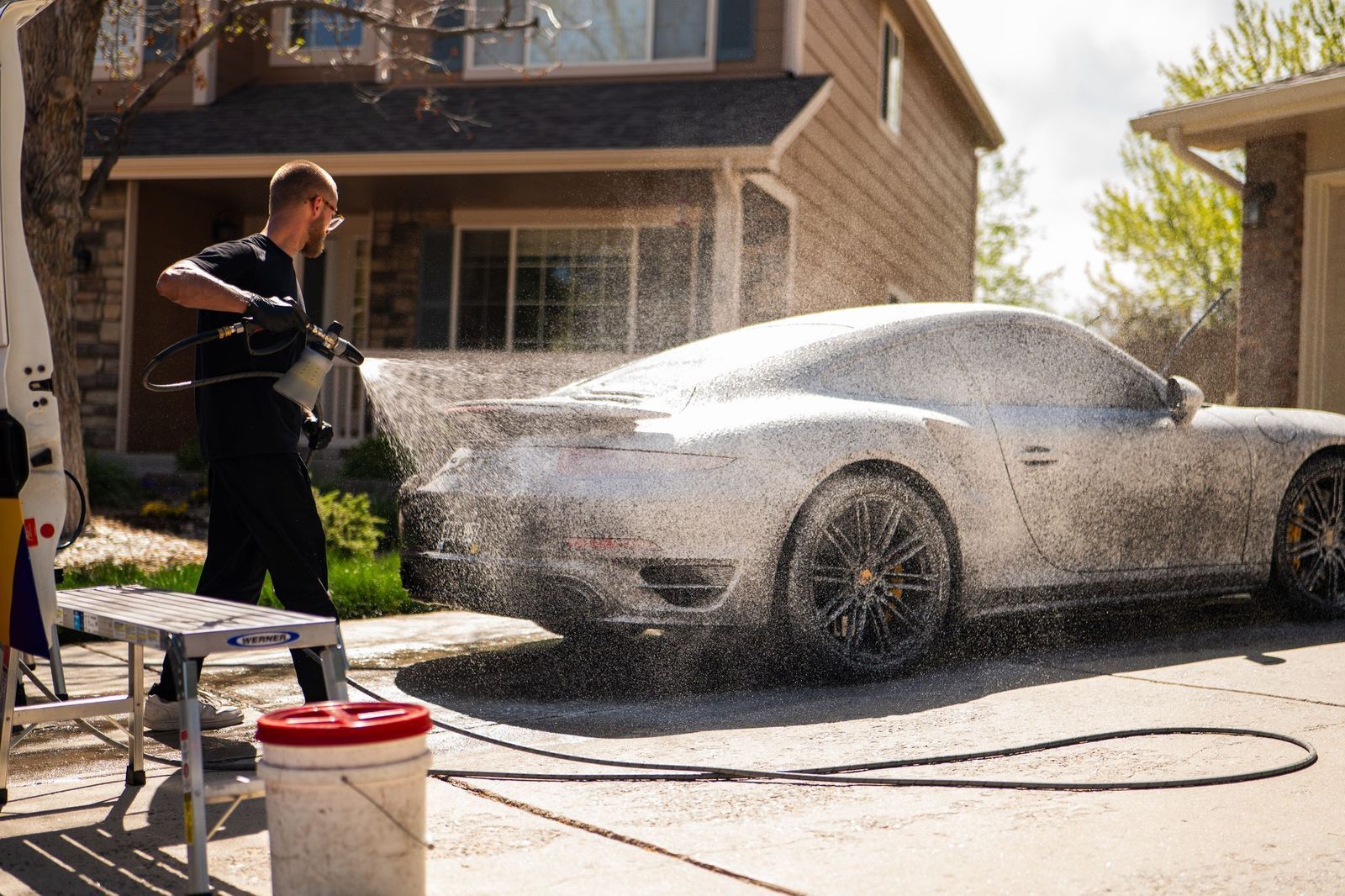
Foam cannons spray a thick layer of soap solution that clings to the vehicle and loosens contamination before contact washing. This pre-treatment reduces how much scrubbing your mitt needs to do. Less contact pressure means less risk of introducing marks. For vehicle owners willing to invest in proper equipment, foam application provides meaningful benefit. The important part is still following up with proper contact washing technique.
Can I fix swirl marks myself with polish?
Minor surface marring can sometimes be addressed with consumer polish products and proper technique. However, effective correction requires understanding of pressure, product selection, and paint thickness. Aggressive or incorrect polishing introduces new defects or removes too much clear coat. For significant damage, professional paint correction uses measured technique and specialized equipment to restore clarity safely.
How often should I replace my wash mitt and drying towels?
Replace wash mitts when fibers become matted, feel stiff, or no longer hold their soft texture. Quality mitts can last a while with proper care, but heavily contaminated mitts should be retired immediately. Drying towels show wear through reduced absorbency, flattened fibers, or visible damage. Wash them properly after each use, and replace them when performance declines. Quality materials cost less than correcting the damage that worn materials introduce.
Is touchless car wash safe for my paint?
Touchless car washes eliminate brush contact, which removes a primary source of paint damage. However, the chemicals used tend to be stronger to compensate for lack of physical cleaning. Some formulations can affect wax and sealant layers. Additionally, high-pressure water may push contamination across the surface. Touchless washes are generally safer than brush washes but still carry some risk. Careful hand washing with proper technique remains the gentlest option for maintaining paint condition.